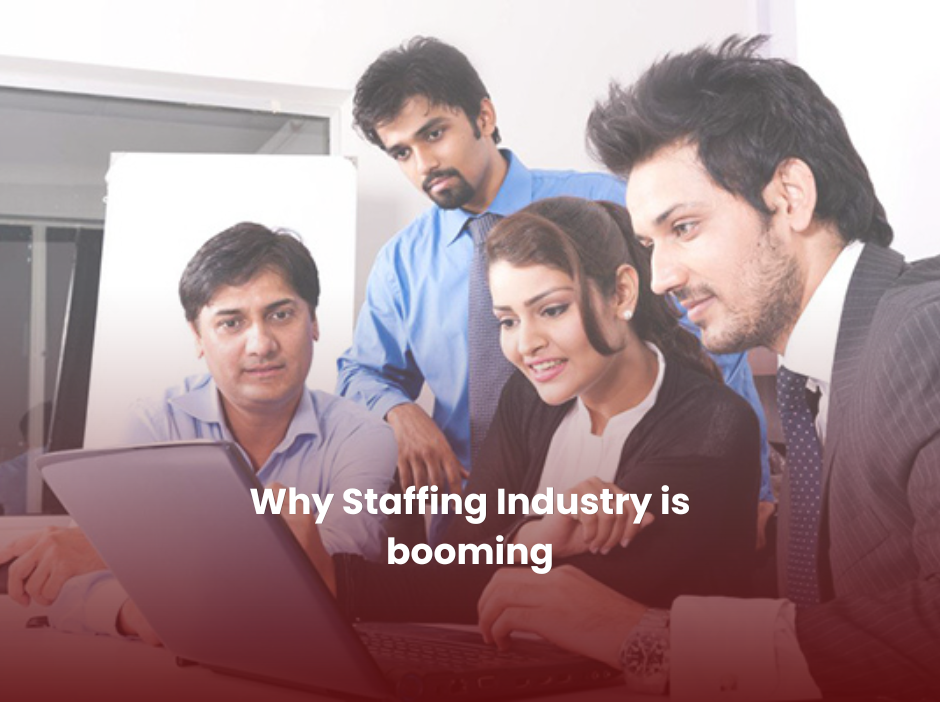

Why the Staffing Industry Is Booming
Businesses across India and beyond are facing a familiar challenge: demand for skilled people rises and falls faster than traditional hiring processes can keep up. Projects expand suddenly, product launches need temporary support, and talent shortages in specialised roles leave teams stretched. This pressure is a major reason the staffing industry is growing, and why more organisations are turning to structured staffing solutions to stay productive without overcommitting their budgets.
Staffing has moved well beyond the old image of a simple agency sending candidates to a front desk. Today it covers temporary and contract hiring, permanent placement, payroll management, compliance support, and workforce planning. Companies are looking for partners who can handle the full lifecycle of their workforce needs, and that shift is driving much of the sector’s momentum.
Why Demand for Flexible Workforce Models Is Rising
The most visible driver is the growing preference for flexible workforce models. Many organisations now run a blend of permanent employees, contract professionals, and project-based specialists. This mix allows leaders to scale teams up during busy periods and scale back when work slows, without the long-term cost commitments that come with full-time hiring.
Seasonal businesses, manufacturing units, logistics operations, e-commerce companies, and healthcare providers have been especially quick to adopt this approach. A warehouse preparing for festive season volumes, for example, may need hundreds of temporary workers for a few weeks. Bringing these people in through a reliable staffing partner is far more practical than running multiple recruitment drives internally.
Skill Shortages and the Search for Specialised Talent
Another force behind the industry’s growth is the difficulty of finding specialised talent. Fields such as data analytics, cloud engineering, advanced manufacturing, and certain clinical roles often have more openings than qualified candidates. Internal recruitment teams may lack the networks, sourcing tools, or time to fill these positions quickly.
Staffing firms with established candidate pools and specialist recruiters can shorten hiring timelines considerably. For a growing company that cannot afford a critical role to stay vacant for months, this speed has real business value. It is one of the clearest reasons leaders now view staffing as a strategic function rather than a stopgap.
Compliance Complexity Is Pushing Companies Toward Experts
Labour laws, statutory contributions, minimum wage rules, contract labour compliance , and state-specific requirements can be difficult to track, especially for organisations operating across multiple locations. Errors in these areas can lead to penalties, disputes, and reputational damage.
Many businesses are therefore relying on staffing providers who understand the regulatory landscape and can help manage documentation, payroll processing, and employee records in a consistent way. This does not remove the employer’s legal responsibilities, but it does reduce the administrative burden and the likelihood of avoidable mistakes. Companies should still verify that any partner they engage follows applicable laws and maintains transparent practices.
Technology Is Making Staffing More Efficient
Digital tools have also accelerated the sector. Applicant tracking systems, online skill assessments, workforce analytics dashboards, and mobile attendance platforms allow staffing firms to source, screen, and manage candidates far more efficiently than manual processes ever could. Clients gain better visibility into hiring pipelines, deployment status, and cost structures.
Technology does not replace the human judgement that good recruitment requires, but it makes the process faster, more transparent, and easier to scale. For decision-makers, this means better reporting and fewer surprises.
Practical Benefits for Businesses
Engaging a staffing partner offers several tangible advantages. Hiring cycles shorten, which helps teams meet deadlines. Costs become more predictable because organisations pay for the staffing they need rather than carrying idle capacity. Access to a wider talent pool improves the chances of finding the right skills. Administrative tasks such as payroll and compliance documentation can be handled more systematically, freeing internal HR teams to focus on engagement, performance, and strategy.
There are also benefits for workers. Many people value the variety, flexibility, and exposure to different industries that staffing assignments can offer, particularly early in their careers or during transitions.
Limitations and Things to Consider
Staffing is not a universal answer. Temporary and contract arrangements can sometimes affect continuity, team cohesion, and institutional knowledge if they are overused for core roles. Organisations should be thoughtful about which positions suit flexible models and which require long-term commitment.
Quality also varies between providers. Businesses should evaluate a staffing partner’s recruitment standards, compliance practices, communication, responsiveness, and track record in their sector. Clear service agreements, defined responsibilities, and regular performance reviews help ensure the relationship delivers value.
Common Questions Decision-Makers Ask
Many leaders wonder whether outsourcing staffing means losing control over their workforce. In practice, a well-structured arrangement keeps the client involved in defining requirements, approving candidates, and setting performance expectations, while the staffing partner handles sourcing, administration, and compliance support.
Another common question is cost. Staffing fees must be weighed against the expense of internal recruitment, the cost of delayed projects, and the value of freeing internal teams. For many organisations, the total picture favours a partner, especially when hiring needs are irregular.
Finally, leaders ask how to choose the right partner. Look for relevant industry experience, transparent pricing, strong candidate vetting, clear compliance practices, and references or case examples you can verify directly.
Conclusion
The staffing industry is booming because businesses need flexibility, specialised talent, and reliable support with compliance and administration. Demand for flexible workforce models, persistent skill shortages, growing regulatory complexity, and digital innovation all point in the same direction. Well-chosen staffing solutions can help organisations move faster, control costs, and focus on their core goals. The key is to apply them thoughtfully, select partners carefully, and keep the human side of workforce management at the centre of every decision.